The Science Behind Cold Water Immersion for Recovery
A deep look at what happens in your body during cold water immersion, backed by peer-reviewed studies from sports science and physiology researchers.
Lead Researcher and Cold Therapy Specialist
Table of Contents
What Happens During Cold Immersion
When you step into water below 59 degrees Fahrenheit (15 degrees Celsius), your body initiates a cascade of physiological responses designed to protect core temperature and vital organ function.Vasoconstriction and Blood Flow
The immediate response is peripheral vasoconstriction. Blood vessels near your skin surface constrict, redirecting blood flow toward your core organs. This response reduces heat loss and protects vital functions, but it also has secondary effects that matter for recovery. A 2017 study published in the Journal of Physiology by Gregson et al. demonstrated that cold water immersion at 8 degrees Celsius reduced muscle blood flow by approximately 40% during immersion. When subjects exited the cold water, a rebound vasodilation occurred, creating a "pumping" effect that researchers believe helps flush metabolic waste products from fatigued muscles. This vascular response is one of the primary mechanisms proposed for cold water immersion's recovery benefits. The constriction-dilation cycle may help clear inflammatory markers and metabolic byproducts like lactate more efficiently than passive rest alone. Research published in the European Journal of Applied Physiology (Mawhinney et al., 2013) used contrast-enhanced ultrasound to measure blood flow changes during and after cold water immersion. The findings confirmed significant reductions in muscle blood flow during immersion, followed by hyperemia (increased blood flow) upon rewarming.Norepinephrine Release
Cold exposure triggers a significant release of norepinephrine, a neurotransmitter and hormone that affects mood, attention, and inflammation. A landmark study by Srámek et al. (2000) published in the European Journal of Applied Physiology found that immersion in 14-degree Celsius water for one hour increased plasma norepinephrine concentrations by 530%. Even shorter exposures produce meaningful increases. Research from Tipton et al. (2017) showed that 2-3 minutes of cold water immersion at 10 degrees Celsius elevated norepinephrine by 200-300%. This rapid hormonal response is partially responsible for the mood elevation and mental clarity that cold plungers frequently report. Norepinephrine also plays a role in reducing inflammation through its effects on immune cell signaling. This anti-inflammatory pathway may work in concert with the vascular changes described above to accelerate recovery from exercise-induced muscle damage.Inflammation and Muscle Soreness
Delayed onset muscle soreness (DOMS) typically peaks 24-72 hours after intense exercise. The soreness results from micro-damage to muscle fibers, which triggers an inflammatory response as part of the repair process. Cold water immersion appears to modulate this inflammatory response. A meta-analysis by Leeder et al. (2012), published in the British Journal of Sports Medicine, examined 14 studies and concluded that cold water immersion significantly reduced DOMS at 24, 48, and 96 hours post-exercise compared to passive recovery. The proposed mechanism involves reducing the permeability of cellular membranes and lymphatic vessels, which limits the extent of inflammatory swelling in damaged tissue. Less swelling means less pressure on pain receptors and faster resolution of the inflammatory phase. However, this inflammation reduction comes with a nuance that athletes need to understand. A 2015 study by Roberts et al. in the Journal of Physiology found that regular cold water immersion after strength training actually blunted long-term muscle hypertrophy and strength gains. The inflammatory response that cold water suppresses is the same process that signals muscle adaptation and growth. This finding does not invalidate cold water immersion for recovery but suggests that timing and context matter. Using cold plunging after endurance training, competition, or during high-volume training phases may be beneficial, while avoiding it immediately after hypertrophy-focused strength sessions could preserve adaptation signals.The Research Evidence
The body of research on cold water immersion has grown substantially over the past decade. Here are key findings from well-designed studies. A randomized controlled trial by Machado et al. (2016) published in Sports Medicine performed a systematic review and meta-analysis of 21 studies. The analysis found that cold water immersion was effective in reducing perceived muscle soreness with moderate effect sizes. The authors concluded that 11-15 degrees Celsius water temperature for 11-15 minutes produced the most consistent benefits. Researchers at the University of Queensland (Peake et al., 2017) conducted one of the most comprehensive studies on cold water immersion, combining muscle biopsies, blood markers, and functional tests. Their work confirmed that cold water immersion reduced markers of muscle inflammation but also dampened anabolic signaling pathways in the hours following exposure. A 2022 meta-analysis published in Sports Medicine by Moore et al. examined cold water immersion across multiple sports and recovery scenarios. The review of 52 studies found consistent evidence for reduced muscle soreness and faster perceived recovery, with the strongest effects observed when immersion occurred within 30 minutes post-exercise at temperatures between 10-15 degrees Celsius.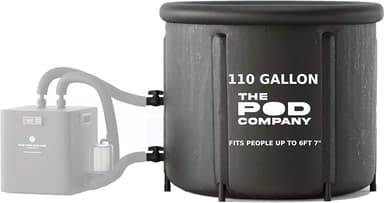
The Pod Company
The Pod Company Ice Pod Pro Cold Plunge Tub
A 110-gallon inflatable cold plunge tub that fits adults up to 6'7". Insulated walls, UV-resistant nylon, and chiller compatibility make this an excellent mid-range option for serious cold therapy practitioners.
Optimal Temperature and Duration
Research points toward a specific window for maximum benefit from cold water immersion. Temperature between 10-15 degrees Celsius (50-59 degrees Fahrenheit) is the range supported by the strongest evidence. Water colder than 10 degrees can be tolerated but increases the risk of cold shock response and does not appear to provide additional recovery benefits. Water warmer than 15 degrees may not produce sufficient vasoconstriction to trigger the desired physiological cascade. Duration of 10-15 minutes is the most commonly studied and recommended range. Shorter exposures (2-5 minutes) still produce norepinephrine release and acute vasoconstriction but may not provide the same depth of tissue cooling needed for optimal recovery. Exposures longer than 15 minutes show diminishing returns and increase the risk of hypothermia, especially at colder temperatures. A practical protocol based on the research might look like this. Start with water at 55 degrees Fahrenheit and aim for 10 minutes of immersion. As your body adapts over weeks of consistent practice, you can gradually lower the temperature toward 50 degrees and extend duration toward 15 minutes if desired.Cold Immersion and Strength Training
The relationship between cold water immersion and strength training deserves careful consideration. The Roberts et al. (2015) study mentioned earlier demonstrated that cold water immersion performed after every strength training session over 12 weeks reduced gains in muscle mass and strength compared to active recovery. Specifically, subjects who used cold water immersion showed attenuated satellite cell activation and reduced phosphorylation of p70S6K, a key signaling protein in the muscle protein synthesis pathway. These molecular findings explain the blunted hypertrophy observed at the macro level. However, not all research paints the same picture. A 2019 study by Fyfe et al. found that cold water immersion did not impair strength gains when performed only after high-intensity interval training sessions within a concurrent training program. The practical recommendation based on the current evidence is to separate cold water immersion from strength training by at least 4-6 hours, or to use cold plunging on rest days rather than immediately post-workout. Reserve immediate post-exercise cold water immersion for endurance sessions, competition recovery, or periods where reducing soreness takes priority over maximizing adaptation.Mental Health Benefits
Beyond physical recovery, cold water immersion shows promise for mental health. A case study by van Tulleken et al. (2018) published in the British Medical Journal Case Reports described a patient with treatment-resistant depression who experienced significant symptom improvement after adopting a cold water swimming protocol. The mechanism likely involves the combined effects of norepinephrine release, beta-endorphin production, and the psychological challenge-and-reward cycle of voluntary cold exposure. Research by Shevchuk (2008) proposed cold showers as a potential treatment for depression, citing the dense concentration of cold receptors in the skin that, when stimulated, send overwhelming electrical impulses to the brain. A 2023 systematic review by Esperland et al. in the International Journal of Circumpolar Health examined the mental health effects of cold water immersion across 13 studies. The review found consistent reports of improved mood, reduced anxiety, and enhanced sense of wellbeing, though the authors noted that many studies lacked rigorous controls. The subjective experience of completing a cold plunge also builds mental resilience. Deliberately choosing discomfort and maintaining composure through the cold shock response translates to improved stress tolerance in other areas of life. While this benefit is harder to quantify in research, it is among the most commonly cited reasons people maintain a cold plunge practice long-term.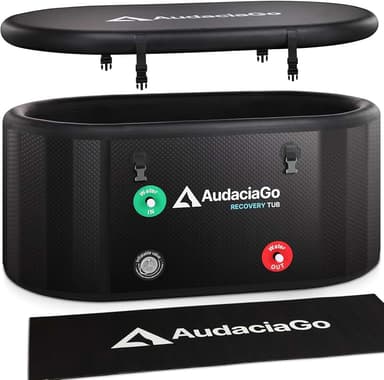
Cold Plunge Pro
XXL 216-Gallon Inflatable Cold Plunge Tub with Insulated Lid
The largest inflatable cold plunge on the market at 216 gallons. Compatible with water chillers, includes an insulated lid and thermometer. Built for athletes who want full-body immersion.
Who Should Avoid Cold Plunging
Cold water immersion is not appropriate for everyone. Medical contraindications include cardiovascular disease, uncontrolled hypertension, Raynaud's disease, cold urticaria (cold-induced hives), and pregnancy. The cold shock response involves a rapid increase in heart rate and blood pressure that can be dangerous for individuals with underlying cardiac conditions. A study by Tipton (2003) documented that cold water immersion can increase heart rate by 15-30 beats per minute and systolic blood pressure by 15-30 mmHg within the first 30 seconds. People taking beta-blockers, blood pressure medication, or blood thinners should consult their physician before starting cold water immersion. The combination of medication effects and cold-induced cardiovascular changes requires professional evaluation. If you are new to cold plunging and in good health, the risk profile is generally low when following evidence-based protocols regarding temperature and duration. Start conservatively and build your tolerance gradually.Practical Takeaways
The science supports cold water immersion as a legitimate recovery tool with meaningful effects on muscle soreness, inflammation, and mood. The key is applying it strategically rather than reflexively. Use cold water immersion after endurance training, competitions, or during high-volume training blocks when managing soreness is the priority. Separate cold exposure from hypertrophy-focused strength training by several hours or use it on rest days instead. Target water temperatures between 50-59 degrees Fahrenheit for 10-15 minutes. This range is supported by the strongest evidence and balances effectiveness with safety. Build your practice gradually. The cold shock response is real and intense for newcomers. Start with shorter durations and warmer temperatures, then progress as your body adapts over weeks of consistent exposure. Cold water immersion is one tool in a comprehensive recovery toolkit that should also include adequate sleep, proper nutrition, and appropriate training load management. It works best when integrated thoughtfully into your overall recovery strategy rather than used as a standalone solution.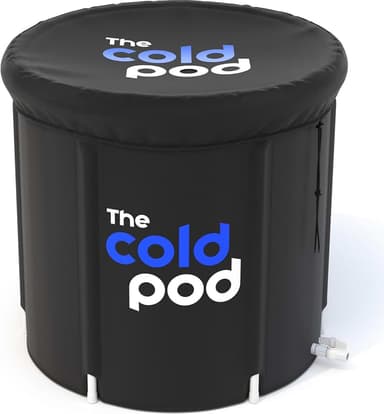
The Cold Pod
The Cold Pod Ice Bath Tub 88 Gallon with Cover
A popular, budget-friendly 88-gallon cold plunge tub with over 500 Amazon reviews. Multiple layered construction and included cover make it a solid starter option for cold therapy newcomers.
Lead Researcher and Cold Therapy Specialist
Products Mentioned in This Article
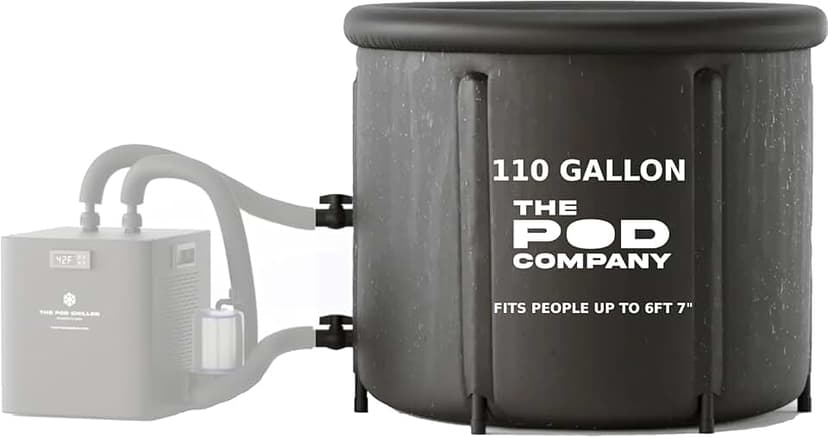
The Pod Company Ice Pod Pro Cold Plunge Tub
A 110-gallon inflatable cold plunge tub that fits adults up to 6'7". Insulated walls, UV-resistant nylon, and chiller compatibility make this an excellent mid-range option for serious cold therapy practitioners.
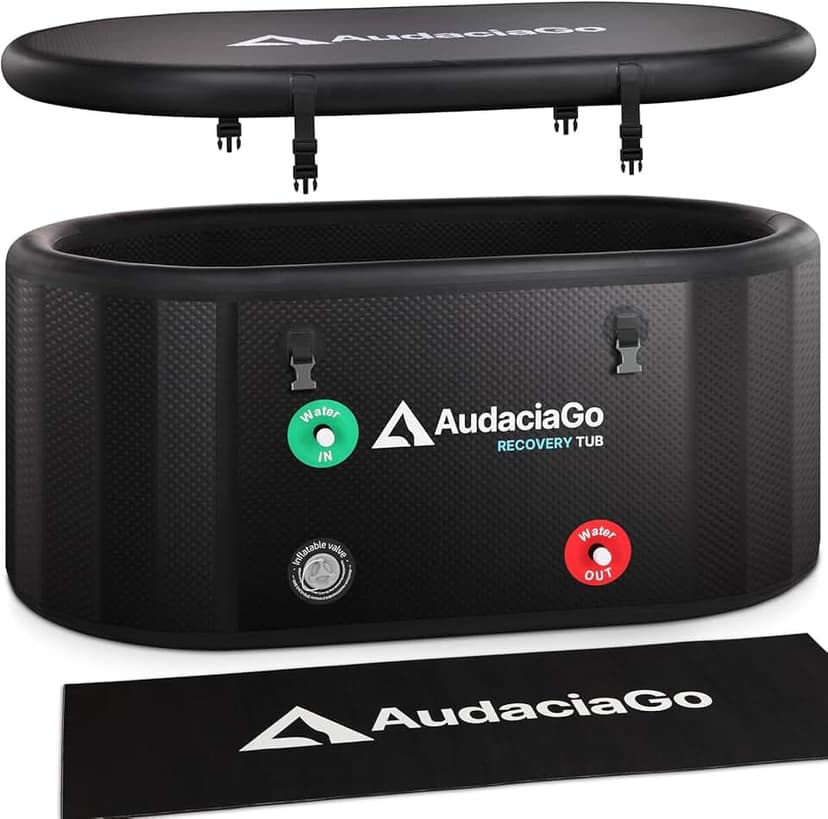
XXL 216-Gallon Inflatable Cold Plunge Tub with Insulated Lid
The largest inflatable cold plunge on the market at 216 gallons. Compatible with water chillers, includes an insulated lid and thermometer. Built for athletes who want full-body immersion.
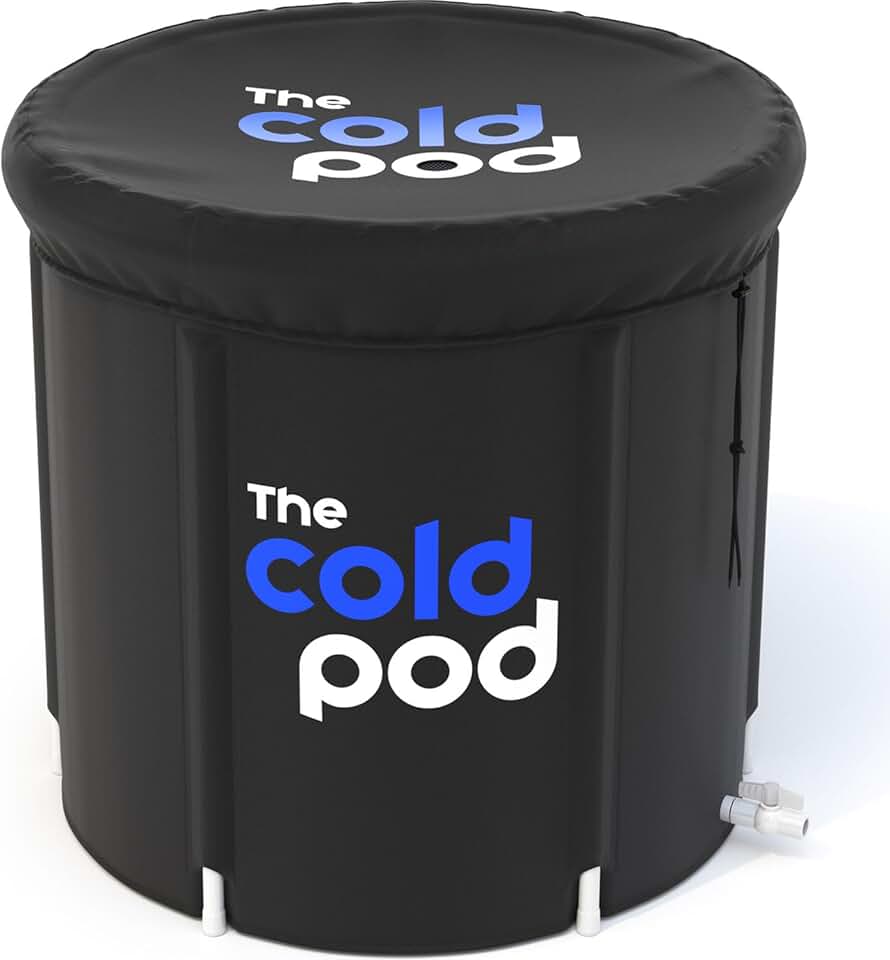
The Cold Pod Ice Bath Tub 88 Gallon with Cover
A popular, budget-friendly 88-gallon cold plunge tub with over 500 Amazon reviews. Multiple layered construction and included cover make it a solid starter option for cold therapy newcomers.