How Cold Should Your Ice Bath Be for Maximum Benefits
Temperature is the most important variable in cold water therapy. Here is what the research says about finding your ideal ice bath temperature.
Lead Researcher and Cold Therapy Specialist
Table of Contents
Why Temperature Matters
Your body responds differently to different water temperatures. At 70 degrees Fahrenheit, the water feels cool but does not trigger significant vasoconstriction or norepinephrine release. At 40 degrees, the cold shock response hits hard and fast, potentially overwhelming someone who is not acclimated. The sweet spot lies in between, and research has narrowed the range considerably. Understanding where to set your temperature and why allows you to match your cold exposure to your specific goals and experience level. Cold water triggers physiological responses through thermoreceptors in your skin. These receptors begin firing at temperatures below body temperature, but the intensity of their signal increases dramatically below 59 degrees Fahrenheit. This threshold marks the point where cold exposure shifts from "refreshing" to "therapeutic." A study by Bleakley and Davison (2010) in the British Journal of Sports Medicine analyzed the dose-response relationship of cold water immersion and found that temperatures below 15 degrees Celsius (59 degrees Fahrenheit) produced consistently stronger effects on inflammatory markers and perceived soreness compared to warmer protocols.Research-Backed Temperature Ranges
The research literature clusters around several temperature ranges, each associated with different levels of physiological response. Between 59-68 degrees Fahrenheit (15-20 degrees Celsius), the water is cool enough to be uncomfortable but produces only mild physiological changes. This range has limited research support for recovery benefits but may serve as a starting point for people who have never tried cold water exposure. Between 50-59 degrees Fahrenheit (10-15 degrees Celsius), you enter the most extensively studied range. This is where the majority of positive research outcomes have been observed. Vasoconstriction becomes significant, norepinephrine release increases by 200-300%, and anti-inflammatory effects become measurable. Machado et al. (2016) specifically identified 11-15 degrees Celsius as the range producing the most consistent recovery benefits in their meta-analysis of 21 cold water immersion studies. Between 39-50 degrees Fahrenheit (4-10 degrees Celsius), you reach the territory of aggressive cold exposure. Norepinephrine release can exceed 500%, and the cold shock response becomes intense. This range is used by experienced cold plungers and is the basis for many of the dramatic physiological claims made about cold water therapy. However, the safety margin narrows at these temperatures, and the evidence for additional recovery benefits compared to the 50-59 degree range is limited. Below 39 degrees Fahrenheit (4 degrees Celsius), the risk-to-benefit ratio shifts unfavorably. Research does not support additional therapeutic benefits at these extreme temperatures, while the risks of hypothermia, cardiac arrhythmia, and cold injury increase substantially.The Beginner Protocol
If you have never done a cold plunge, do not start at 45 degrees. This is the fastest way to have a miserable experience and abandon the practice before it becomes a habit. Begin at 60 degrees Fahrenheit. This temperature is cold enough to be noticeably uncomfortable, which means your body is already responding. Aim for 2-3 minutes of immersion for your first few sessions. Focus on controlling your breathing rather than enduring the cold. Deep, slow exhales activate your parasympathetic nervous system and reduce the panic response. After 5-7 sessions at 60 degrees, lower the temperature to 55 degrees and maintain the same 2-3 minute duration. By now, your breathing should be more controlled and the initial shock less jarring. Once you are comfortable at 55 degrees for 3 minutes, you have two options for progression. Extend your duration toward 5 minutes at the same temperature, or drop the temperature another 5 degrees while keeping the duration short. Most coaches and researchers recommend extending duration first, then lowering temperature. This graduated approach respects your body's need to adapt. Cold adaptation is a real physiological process involving changes in brown fat activity, peripheral vasoconstrictor efficiency, and central nervous system habituation. Rushing it produces cold stress rather than cold adaptation.Intermediate Progression
After 3-4 weeks of consistent cold plunging (at least 3 sessions per week), most people reach a comfortable baseline around 50-55 degrees Fahrenheit for 5-8 minutes. At this level, you are accessing the full range of evidence-backed recovery benefits. Intermediate practitioners can experiment with different protocols depending on their training schedule. On heavy training days, shorter and colder sessions (50 degrees for 5 minutes) provide acute recovery benefits. On rest days, slightly warmer and longer sessions (55 degrees for 10 minutes) support general wellbeing and stress management. The key at the intermediate level is consistency over intensity. Plunging 4-5 times per week at moderate temperatures produces better long-term outcomes than occasional extreme sessions. Research by Esperland et al. (2022) found that regular cold water exposure was more strongly associated with sustained mental health benefits than infrequent intense exposure.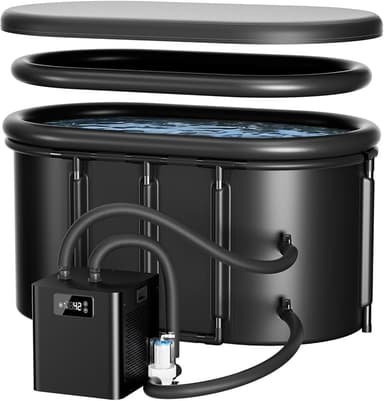
Cold Plunge Systems
Ice Bath Chiller and Cold Plunge Tub Kit 1/3HP
A complete cold plunge system with 1/3HP chiller, external pump, filter, and a 148-gallon XXL tub. Eliminates the need for ice entirely and maintains your target temperature automatically.
Advanced Cold Exposure
Advanced cold plungers who have 6+ months of consistent practice can work with temperatures in the 40-50 degree range for 10-15 minutes. At this level, the practice becomes as much mental as physical. The physiological responses at advanced temperatures are more intense but follow the same patterns as moderate exposure. Norepinephrine release is higher, vasoconstriction is more pronounced, and the metabolic demand of maintaining core temperature increases. Some research suggests that colder temperatures activate more brown adipose tissue (brown fat), which may have metabolic benefits, though the evidence for this is still developing. Andrew Huberman from Stanford University has discussed protocols involving 11 minutes per week of deliberate cold exposure at temperatures that feel "very cold yet safe." This time can be distributed across multiple sessions and does not need to happen all at once. The emphasis is on total cold exposure time per week rather than individual session extremes. There is no evidence-based reason to go below 40 degrees Fahrenheit for recovery purposes. The additional physiological stress at extreme temperatures does not translate to proportionally greater benefits and substantially increases health risks.Temperature for Specific Goals
Different goals call for different temperature strategies. For muscle recovery after exercise, the 50-59 degree range for 10-15 minutes is best supported by research. This protocol targets inflammation reduction and pain modulation through peripheral vasoconstriction and anti-inflammatory mediator release. For mental health and mood enhancement, even moderate cold exposure in the 55-60 degree range produces significant norepinephrine release and mood elevation. Consistency matters more than temperature here. For metabolic benefits and brown fat activation, colder temperatures in the 40-50 degree range may be more effective, though the research on human brown fat activation through cold water immersion is still in early stages. A study by van der Lans et al. (2013) in the Journal of Clinical Investigation demonstrated cold-induced brown fat activity using cold exposure protocols, but the direct translation to cold water immersion outcomes needs further study. For general health and stress resilience, the temperature matters less than the consistency and the psychological challenge. Any temperature that feels genuinely uncomfortable but safe will stimulate the adaptive stress response that builds resilience over time.Measuring Water Temperature Accurately
Guessing your water temperature is unreliable. Your perception of cold changes as you adapt, and ambient conditions affect how cold the water feels regardless of its actual temperature. A waterproof digital thermometer is the minimum requirement. Inexpensive pool thermometers work well and cost under $10. For continuous monitoring, floating digital thermometers with wireless readouts let you check temperature without reaching into the water. If your cold plunge tub has a built-in thermometer, verify its accuracy against an independent thermometer during your first few uses. Built-in sensors can drift over time and may read 2-3 degrees differently from actual water temperature. Measure temperature at chest depth rather than the surface. Surface water can be warmer due to ambient heat exchange, while deeper water remains closer to your target temperature. The temperature at chest depth is what your body actually experiences during immersion.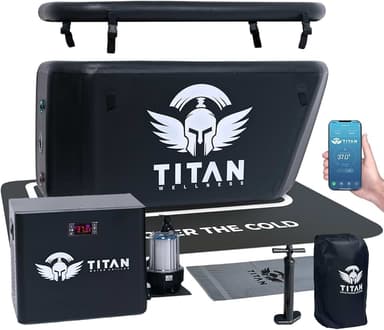
Ice Bath Pro
Ice Bath Pro Cold Plunge Tub and Chiller with Wi-Fi Control
The premium cold plunge experience with Wi-Fi control, UV sanitation, angled backrest, and the ability to cool water down to 37 degrees F. Backed by a 2-year warranty and US-based support.
How to Maintain Your Target Temperature
Keeping water at your target temperature throughout a session depends on your setup. For manual ice loading, start with water from the coldest available tap source. Municipal tap water temperatures vary by region and season, ranging from 40 degrees in northern winters to 75 degrees in southern summers. Add ice to bridge the gap between tap temperature and your target. A general guideline is 20 pounds of ice per 10-degree drop needed for a standard 80-100 gallon tub. This varies based on ambient temperature, insulation quality, and starting water temperature. Measure, adjust, and learn your specific tub's ice requirements over a few sessions. For chiller-equipped setups, set your target temperature and let the system maintain it automatically. Most chillers can maintain temperatures within 1-2 degrees of the set point, eliminating the guesswork entirely. Insulated tubs retain temperature significantly longer than uninsulated ones. If you are doing multiple sessions in a day or want your tub ready for the next morning, an insulated lid is the single most impactful accessory you can add.Safety Considerations
Cold water immersion is generally safe for healthy adults, but several situations require caution or medical consultation. Never plunge alone at temperatures below 50 degrees Fahrenheit. The cold shock response can cause involuntary gasping, hyperventilation, and in rare cases, cardiac events. Having someone nearby who can assist if needed is a basic safety measure. If you feel numbness, tingling, or sharp pain in your extremities, exit the water. These are signs that tissue temperature has dropped too low and continued exposure risks cold injury. Avoid alcohol before or during cold plunging. Alcohol impairs thermoregulation and your ability to accurately assess your own condition. It also increases cardiac risk during the cold shock response. After exiting cold water, warm up gradually. Hot showers immediately after cold plunging can cause rapid blood pressure changes. Instead, let your body rewarm naturally with dry clothing and movement for 10-15 minutes before using hot water. If you have any cardiovascular conditions, Raynaud's disease, or are pregnant, consult your doctor before beginning a cold water immersion practice. The cardiovascular demands of cold exposure require a healthy baseline to manage safely.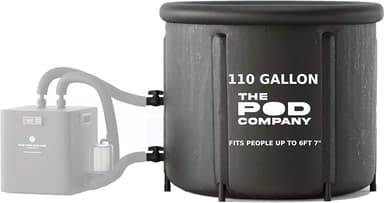
The Pod Company
The Pod Company Ice Pod Pro Cold Plunge Tub
A 110-gallon inflatable cold plunge tub that fits adults up to 6'7". Insulated walls, UV-resistant nylon, and chiller compatibility make this an excellent mid-range option for serious cold therapy practitioners.
Lead Researcher and Cold Therapy Specialist
Products Mentioned in This Article
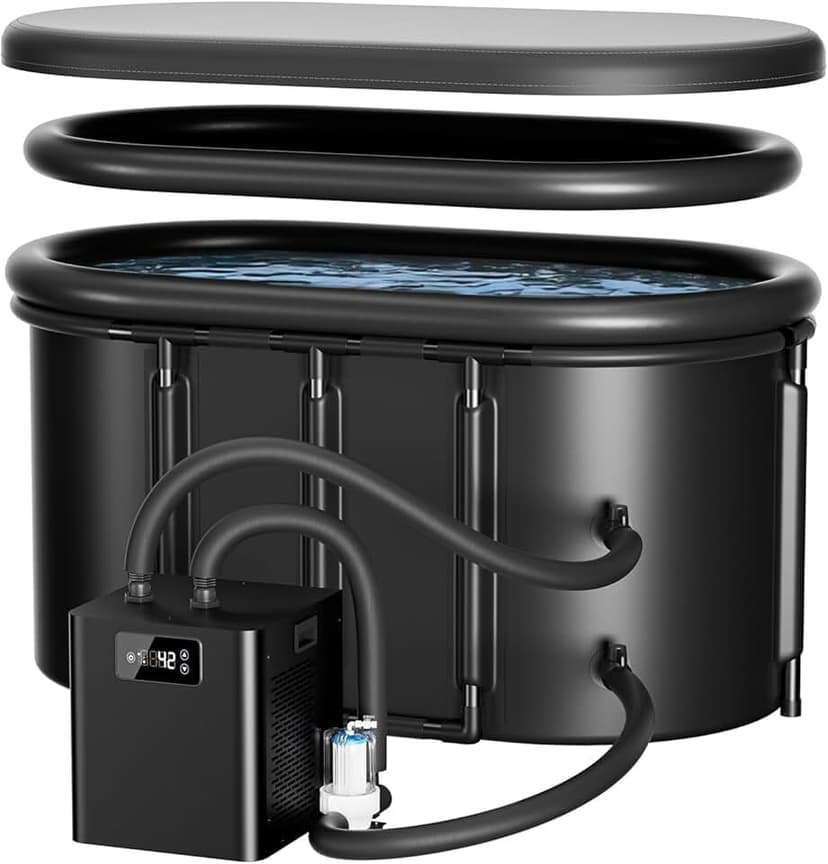
Ice Bath Chiller and Cold Plunge Tub Kit 1/3HP
A complete cold plunge system with 1/3HP chiller, external pump, filter, and a 148-gallon XXL tub. Eliminates the need for ice entirely and maintains your target temperature automatically.
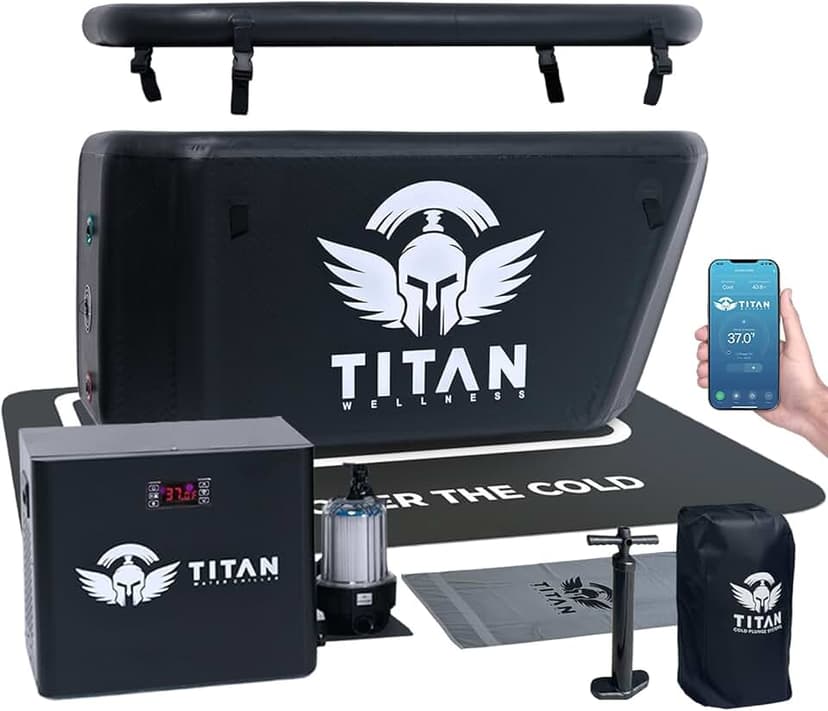
Ice Bath Pro Cold Plunge Tub and Chiller with Wi-Fi Control
The premium cold plunge experience with Wi-Fi control, UV sanitation, angled backrest, and the ability to cool water down to 37 degrees F. Backed by a 2-year warranty and US-based support.
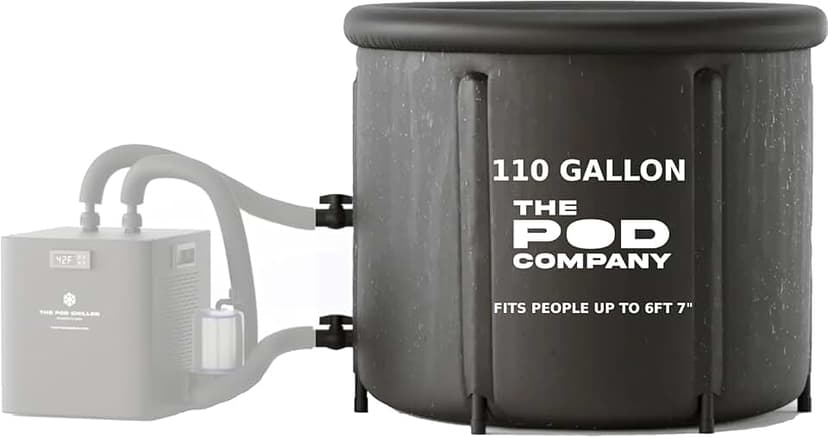
The Pod Company Ice Pod Pro Cold Plunge Tub
A 110-gallon inflatable cold plunge tub that fits adults up to 6'7". Insulated walls, UV-resistant nylon, and chiller compatibility make this an excellent mid-range option for serious cold therapy practitioners.