How to Keep Your Ice Bath Cold Without a Chiller
Not ready to invest in a chiller? These proven strategies keep your ice bath at the right temperature using ice, insulation, and smart timing.
Product Testing Lead and Wellness Writer
Table of Contents
Understanding Heat Transfer in Your Tub
Heat enters your cold water through three pathways, and understanding each one helps you fight temperature rise effectively. Conduction transfers heat through the tub walls and floor. Your tub material and the surface it sits on act as conduits for ambient heat. A tub sitting on warm concrete in direct sunlight absorbs heat through every surface in contact with the warm environment. Convection transfers heat through air circulation across the water surface. Warm air flowing over cold water continuously warms the surface layer. Wind actually accelerates this effect, which is counterintuitive since wind feels cool on your skin but increases heat transfer to the water. Radiation from sunlight directly heats the water surface and tub walls. This is the most significant heat source for outdoor tubs during daytime. UV radiation from the sun can raise unshaded water temperature by 2-4 degrees per hour in summer conditions. Addressing all three pathways is more effective than aggressively targeting just one. A modest improvement in insulation, shade, and surface coverage provides better temperature retention than extreme measures in any single area.Smart Ice Management
Not all ice is created equal when it comes to cooling efficiency. The form, quantity, and timing of ice additions dramatically affect how cold your water gets and how long it stays that way. Block ice melts slower than crushed ice or ice cubes. A 10-pound block of ice maintains cooling capacity for approximately twice as long as the same weight of ice cubes. If your local grocery store sells block ice, it is worth the slightly higher price per pound. Making your own ice blocks is the most cost-effective approach for regular cold plungers. Fill gallon-sized freezer bags, milk jugs, or dedicated silicone molds with water and freeze them. Rotate multiple containers so you always have ice ready. A dedicated chest freezer for ice production costs $150-250 upfront but eliminates ongoing ice purchase costs entirely. Ice quantity follows a rough formula. For every 10-degree Fahrenheit temperature drop you need in 100 gallons of water, add approximately 15-20 pounds of ice. So if your tap water comes out at 60 degrees and you want 45-degree water in a 100-gallon tub, you need roughly 30-40 pounds of ice. Timing ice additions matters. Adding all your ice at once creates the coldest initial temperature but leads to rapid warming as all the ice melts simultaneously. Adding ice in two batches, half at the start and half after 5 minutes, produces a more stable temperature curve over a 10-15 minute session. Pre-chill your water when possible. Filling your tub with cold tap water the night before a morning session allows the water to cool further overnight in a cool garage or outdoor setting. Morning sessions using pre-chilled water require significantly less ice.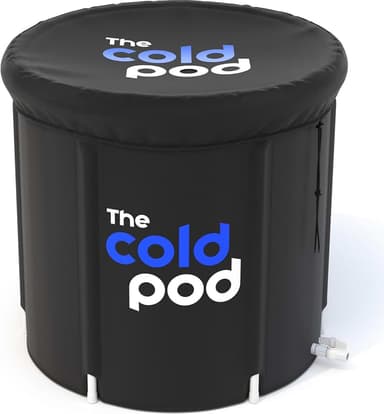
The Cold Pod
The Cold Pod Ice Bath Tub 88 Gallon with Cover
A popular, budget-friendly 88-gallon cold plunge tub with over 500 Amazon reviews. Multiple layered construction and included cover make it a solid starter option for cold therapy newcomers.
DIY Insulation Upgrades
Adding insulation to an uninsulated tub is the highest-impact modification you can make for temperature retention. A foam pad underneath the tub prevents heat conduction from warm ground. Closed-cell foam camping pads work well and cost under $20. Cut to fit your tub's footprint and place it beneath the tub before filling with water. Reflective bubble wrap (like Reflectix) wrapped around the outside of the tub adds effective insulation at minimal cost. Secure it with bungee cords or duct tape. This material reflects radiant heat and adds a layer of dead air space, cutting heat gain through the walls by roughly 30-40%. A proper lid is the single most effective temperature retention tool. An exposed water surface loses heat rapidly through evaporation and air convection. Any cover that creates an air gap between the water surface and the ambient environment dramatically slows temperature rise. Many tubs come with covers. If yours does not, a cut piece of rigid foam insulation (available at hardware stores for under $15) works excellently. Shade your outdoor tub from direct sunlight. A simple pop-up canopy, patio umbrella, or strategic placement under a tree or overhang can prevent 2-4 degrees of solar heating per hour during summer months.Timing Your Plunge for Optimal Temperature
When you plunge affects how much ice you need and how stable your temperature stays. Early morning sessions (before 7 AM) benefit from the coolest ambient conditions of the day. Overnight, your pre-filled water cools toward the lowest overnight air temperature. In many climates, this means your tap water may reach the mid-50s or even low 50s without any ice at all during fall, winter, and spring months. Late evening sessions face warmer ambient conditions but benefit from reduced sunlight. If your tub is outdoors, evening plunges after sunset avoid solar heating entirely. Seasonal adjustments change your ice requirements dramatically. In winter, northern climates may require zero ice since tap water and ambient temperatures are cold enough for effective cold plunging. In summer, the same setup may need 40-60 pounds of ice to reach target temperatures. For daily plungers, maintaining a filled tub and adding ice just before each session is more efficient than draining and refilling. A filled tub with a proper lid and insulation loses temperature slowly. Topping off with 10-15 pounds of ice before each session is faster and cheaper than starting from scratch.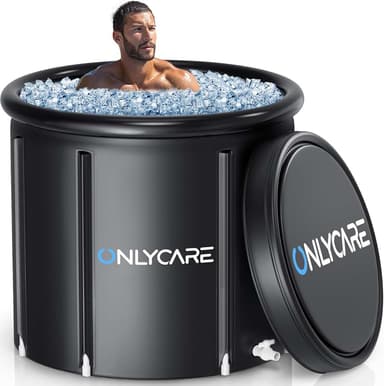
ONLYCARE
ONLYCARE XXL 135 Gal Ice Bath Tub for Athletes
A 135-gallon portable ice bath tub with multi-layer construction and cover. Combines a generous capacity with a budget-friendly price, making it an attractive option for home cold therapy setups.
Cost Comparison of Cooling Methods
Store-bought ice costs approximately $2.50-3.50 per 10-pound bag. A typical session requiring 20-30 pounds of ice costs $5-10. Monthly cost at 5 sessions per week runs $100-200. Homemade ice using a dedicated chest freezer costs approximately $15-25 per month in electricity. The freezer itself costs $150-250 one time. At 5 sessions per week, the break-even point versus store-bought ice occurs within 2-3 months. A water chiller system costs $300-800 upfront and $10-25 per month in electricity. Break-even versus store-bought ice occurs within 3-6 months, after which it becomes the cheapest option. Break-even versus homemade ice is 12-24 months. For cold plungers who plan to maintain the practice for a year or more, the financial trajectory clearly favors either homemade ice or a chiller system. The choice between those two comes down to whether you value convenience (chiller) or lower upfront cost (homemade ice). If you are still in your first 1-3 months and validating the habit, store-bought ice is fine. The per-session cost is modest, and you avoid investing in equipment before you are certain cold plunging is a long-term commitment.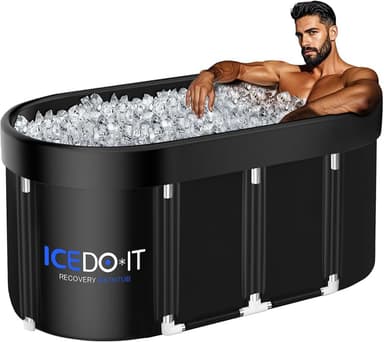
Generic
Upgrade 129 Gal XL Oval Ice Bath Tub for Athletes
A spacious 129-gallon oval-shaped ice bath tub with multi-layer construction. The oval design provides more shoulder room than round alternatives, making it comfortable for post-workout recovery sessions.
Product Testing Lead and Wellness Writer
Products Mentioned in This Article
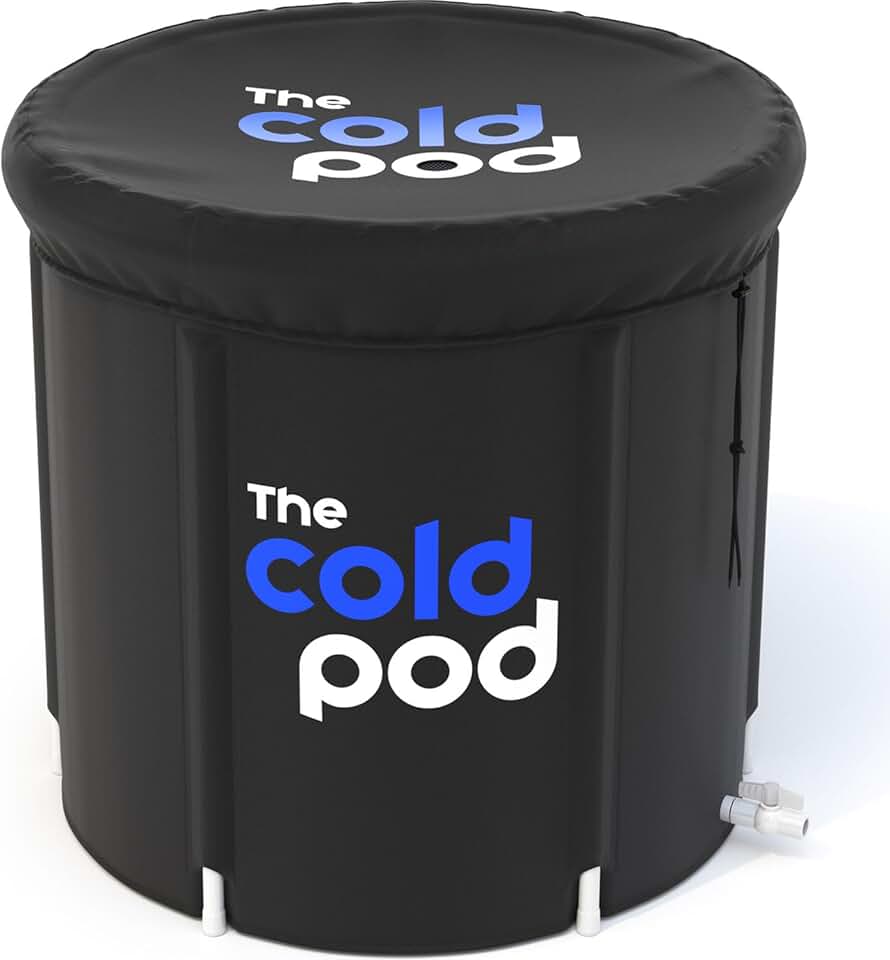
The Cold Pod Ice Bath Tub 88 Gallon with Cover
A popular, budget-friendly 88-gallon cold plunge tub with over 500 Amazon reviews. Multiple layered construction and included cover make it a solid starter option for cold therapy newcomers.
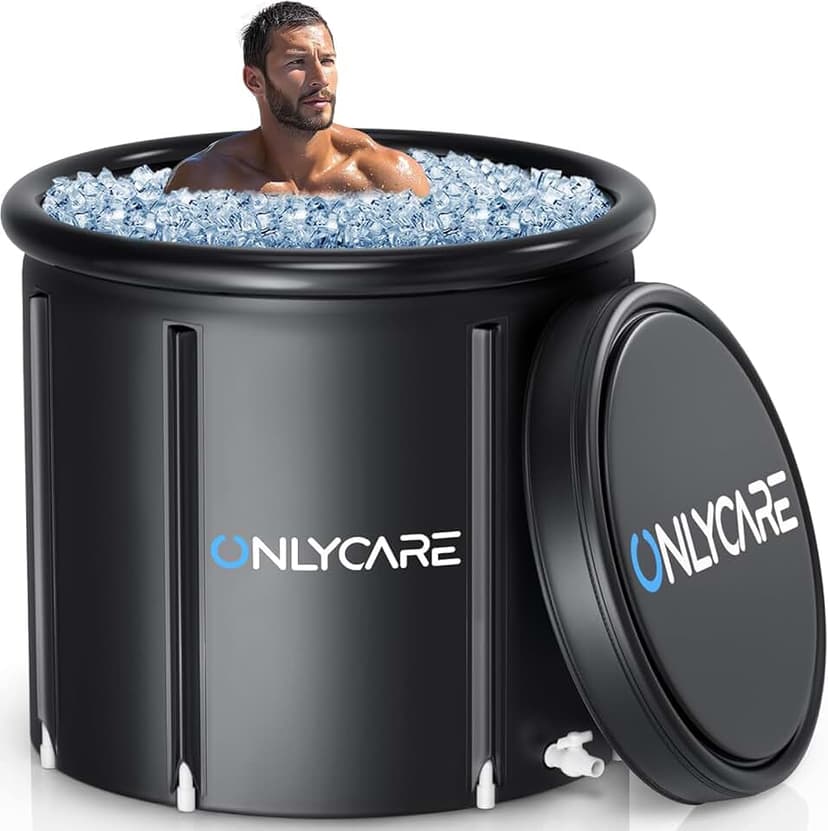
ONLYCARE XXL 135 Gal Ice Bath Tub for Athletes
A 135-gallon portable ice bath tub with multi-layer construction and cover. Combines a generous capacity with a budget-friendly price, making it an attractive option for home cold therapy setups.
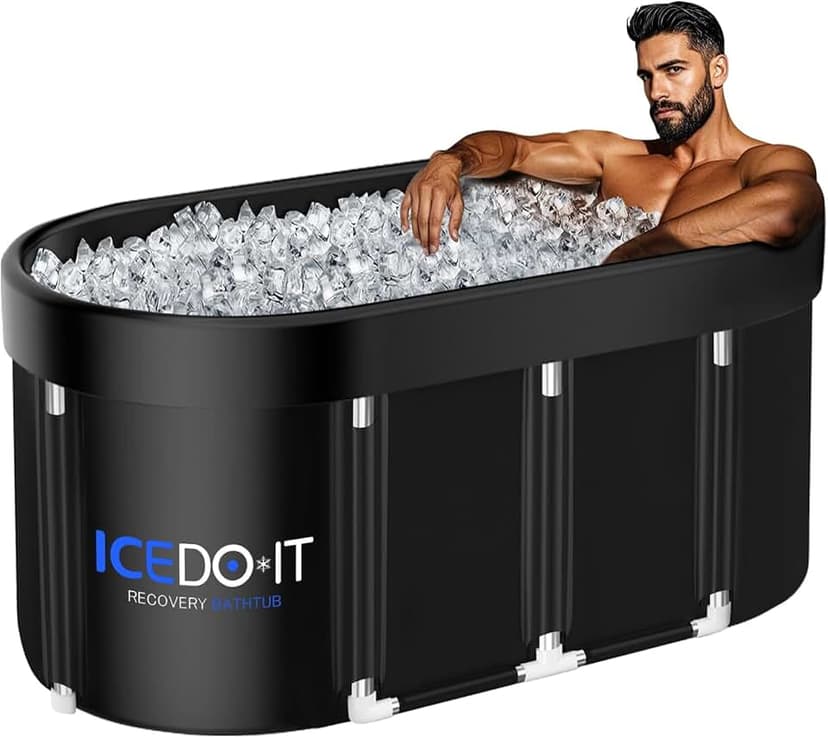
Upgrade 129 Gal XL Oval Ice Bath Tub for Athletes
A spacious 129-gallon oval-shaped ice bath tub with multi-layer construction. The oval design provides more shoulder room than round alternatives, making it comfortable for post-workout recovery sessions.