The Complete Cold Plunge Routine for Beginners in 2026
Starting cold water therapy can feel overwhelming. This complete guide walks you through everything from your first session to building a lasting cold plunge habit.
Product Testing Lead and Wellness Writer
Table of Contents
Preparing for Your First Plunge
Before your first cold plunge, set up your environment and mindset. This preparation phase is more important than most beginners realize. Choose your location. Indoor setups offer controlled temperatures and privacy. Outdoor setups provide fresh air and a connection to nature. Both work equally well. The best location is whichever one you will actually use consistently. Set your water temperature to 60-65 degrees Fahrenheit for your first session. This is cold enough to trigger a real physiological response but warm enough that the cold shock is manageable. You can measure this with any inexpensive pool thermometer. Have a warm towel and dry clothes within arm's reach. The moments after exiting cold water are when you are most vulnerable to feeling miserable. A warm towel draped over your shoulders immediately after getting out makes the transition comfortable. Clear your schedule for 20 minutes. Your actual immersion will be much shorter, but you want time to enter slowly, breathe through the cold, exit when ready, and warm up naturally without rushing. Tell yourself one thing before getting in. This is not about toughness or proving anything. This is about giving your body a stimulus it has evolved to handle and respond to beneficially. Reframing cold plunging as a health practice rather than an endurance test changes the psychological dynamic from resistance to curiosity.Breathing Techniques for Cold Water
Breathing is your primary tool for managing the cold shock response. Without controlled breathing, cold water immersion triggers hyperventilation, panic, and a strong urge to exit immediately. With proper breathing, the same water temperature feels challenging but manageable. Before entering the water, take 5 deep breaths. Inhale through your nose for 4 seconds, hold for 4 seconds, exhale through your mouth for 6 seconds. This pattern activates your parasympathetic nervous system and lowers your baseline stress level before the cold stimulus arrives. As you enter the water, exhale slowly through pursed lips. The natural instinct is to gasp on contact with cold water. A slow, controlled exhale overrides this gasping reflex. Imagine you are blowing through a straw. The physical act of controlling your exhalation prevents the uncontrolled gasp. During immersion, settle into a rhythm of deep belly breathing. Inhale through your nose for 3-4 seconds, exhale through your mouth for 5-6 seconds. The extended exhale is the important part. It signals your vagus nerve and helps maintain parasympathetic tone despite the cold stress. If you feel yourself starting to hyperventilate, focus entirely on your exhale. Let the inhale happen naturally and put all your attention on making the exhale slow and complete. Your body will not let you suffocate from a slow exhale, but it will panic from rapid shallow breathing. Research by Kox et al. (2014) published in the Proceedings of the National Academy of Sciences demonstrated that breathing techniques practiced before and during cold exposure significantly influenced autonomic nervous system responses and inflammatory markers. Participants who used controlled breathing showed reduced cortisol and fewer inflammatory cytokines compared to those who did not.Your First Week Protocol
Day 1 is about exposure, not endurance. Fill your tub with 60-65 degree water. Enter slowly, feet first, then legs, then torso. Sit in the water up to your chest and focus on your breathing. Stay for 60-90 seconds. That is it. Exit, wrap in your towel, and let your body rewarm for 10 minutes. Ninety seconds at 60 degrees might seem underwhelming. It is not. For your nervous system, this first exposure is novel and intense regardless of the temperature. Your brain needs to learn that cold water is not a threat, and this learning happens through repeated sub-maximum exposures, not through one punishing session. Days 2-3 can be rest days. Let your body process the first exposure. You might feel energized, slightly euphoric, or just proud of yourself. All normal responses. Day 4, repeat the protocol from Day 1. Same temperature, same 60-90 seconds. It will likely feel slightly easier. Your body has already begun adapting. Days 5-7, if you feel ready, extend to 2 minutes. Same water temperature of 60-65 degrees. If 2 minutes feels like too much, stay at 90 seconds. There is no rush to progress. Consistency matters infinitely more than duration at this stage. By the end of week one, you should have completed 3-4 sessions, each lasting 60-120 seconds at 60-65 degrees. You will have established the fundamental skill of entering cold water with controlled breathing, and your nervous system will have started adapting to the stimulus.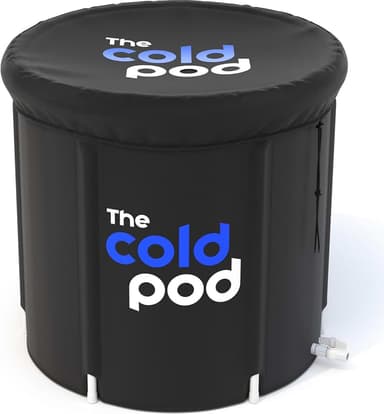
The Cold Pod
The Cold Pod Ice Bath Tub 88 Gallon with Cover
A popular, budget-friendly 88-gallon cold plunge tub with over 500 Amazon reviews. Multiple layered construction and included cover make it a solid starter option for cold therapy newcomers.
Weeks Two Through Four
Week two introduces your first progression. Lower the water temperature to 55-60 degrees and aim for 2-3 minutes per session. Plunge every other day at minimum, with daily sessions being ideal if your schedule permits. At this temperature and duration, you will start noticing the post-plunge effects more clearly. The norepinephrine boost produces a feeling of alertness and elevated mood that can last 1-2 hours after your session. Many people find this becomes the primary motivator for continuing the practice, which is exactly the kind of intrinsic reward that builds lasting habits. Week three, lower to 50-55 degrees if you are comfortable, and extend toward 3-5 minutes. You are now entering the temperature range where the strongest research evidence exists for recovery and mood benefits. Your breathing should feel natural and controlled by this point, and the initial shock of entering should be diminishing. Week four is consolidation. Find the temperature and duration that feel right for your current fitness level and stick with them. For most beginners completing this 4-week protocol, the sweet spot lands between 50-55 degrees for 4-6 minutes. This is a highly effective protocol that you can maintain indefinitely.Building the Long-Term Habit
The transition from "doing cold plunges" to "being someone who cold plunges" happens when you connect the practice to an existing part of your routine. Habit stacking is the most reliable method. Attach your cold plunge to something you already do every day. Morning coffee and cold plunge. Post-workout and cold plunge. Evening wind-down and cold plunge. The existing habit acts as a trigger that makes the cold plunge feel like a natural next step rather than an isolated decision. Track your sessions. A simple note on your phone or a mark on a calendar creates a visual chain of consistency that becomes psychologically reinforcing. Missing one day is a blip. Missing two days is the start of a gap. Missing three days is the beginning of quitting. The tracker helps you catch gaps before they become exits. Prepare the night before. If you are using a manual ice setup, fill your tub with cold water the evening before a morning session. Water that sits overnight in a cool garage or outdoors can reach near-target temperature without ice. This reduces the morning friction of getting your tub ready. Give yourself permission to have shorter sessions. Some mornings, 2 minutes is all you have or all you can manage. A 2-minute cold plunge is infinitely more valuable than a skipped session. Protecting the habit matters more than optimizing any single session.Common Beginner Mistakes to Avoid
Going too cold too fast is the number one mistake. Starting at 40 degrees because you watched someone do it on social media is a recipe for a terrible experience and abandoned equipment. Start warmer than you think you need to and lower gradually. Staying too long out of ego is dangerous and counterproductive. If your body is telling you to get out, get out. Shaking, numbness, confusion, or difficulty breathing are all exit signals. Ignoring them does not build toughness. It builds hypothermia risk. Forcing your hands and feet into the water is unnecessary for beginners. Extremities lose heat fastest and feel the cold most intensely. Keeping your hands above water or wearing neoprene gloves during your first few weeks is perfectly acceptable and does not reduce the core benefits of cold immersion. Comparing yourself to experienced cold plungers ruins the experience. The person doing 15 minutes at 38 degrees has months or years of adaptation behind them. Your body will get there if you want it to, but it needs time. Warming up too quickly with a hot shower immediately after creates a rapid blood pressure swing that can cause dizziness or lightheadedness. Let your body rewarm naturally for at least 10 minutes before using hot water. Neglecting hydration is surprisingly common. Cold immersion increases urination through cold-induced diuresis. Drink water before and after your session to stay properly hydrated.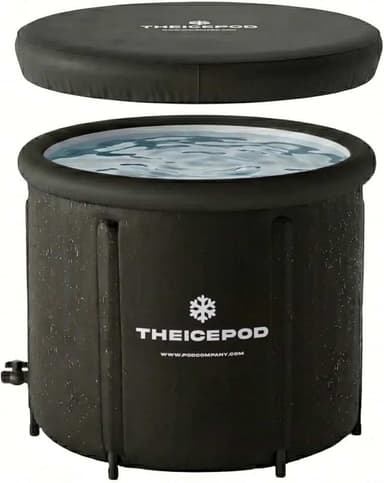
The Pod Company
The Pod Company Standard Ice Bath Tub 84 Gallon
The more compact sibling of the Ice Pod Pro. This 84-gallon model features side drain design, inflatable construction, and optional chiller compatibility through a conversion kit.
What to Expect as You Progress
Weeks 1-2 bring novelty and challenge. Each session feels like an accomplishment. The cold shock response is strong but manageable with breathing techniques. Weeks 3-4 bring the first signs of adaptation. The shock diminishes, your breathing stabilizes faster, and you start looking forward to sessions rather than dreading them. Post-plunge mood elevation becomes noticeable and motivating. Months 2-3 establish the habit. Cold plunging feels normal. You notice when you miss sessions because your mood, energy, or recovery feels different. The practice starts integrating into your identity rather than feeling like an external obligation. Months 4-6 bring refinement. You learn your personal sweet spots for temperature, duration, and timing. You experiment with different protocols for different situations. You stop needing motivation because the practice is simply part of what you do. Beyond 6 months, cold plunging is a lifestyle. Your tolerance allows for colder temperatures and longer durations if you choose, but many long-term practitioners settle into a comfortable, sustainable protocol rather than constantly pushing limits. The mental and physical benefits accumulate over time, reinforcing the habit with real, felt improvements in how you experience daily life.Essential Equipment Checklist
To get started, you need surprisingly little equipment. A cold plunge tub is the obvious essential. For beginners, a portable inflatable or foldable model in the $40-80 range is ideal. You do not need a premium tub to start, and beginning with a budget option lets you validate that you enjoy the practice before investing more. A waterproof thermometer is non-negotiable. Temperature measurement removes guesswork and ensures you are training in the right range. A basic pool thermometer for under $10 works perfectly. A timer on your phone handles session timing. Start it when you enter the water and check it to ensure you are not staying too long during your adaptation phase. A warm towel and dry clothes should be staged near your tub before every session. Fumbling for a towel while shivering post-plunge is a small thing that makes the experience much worse. A simple journal or tracking app to record your sessions helps build consistency. Note the date, water temperature, duration, and a quick word about how you felt. This data becomes valuable as you refine your protocol over weeks and months. Optional but helpful items include a timer with audible alerts (so you do not need to check your phone in the water), neoprene gloves for extreme cold tolerance building, a waterproof speaker for music or guided breathing, and a robe for the warmup period after exiting.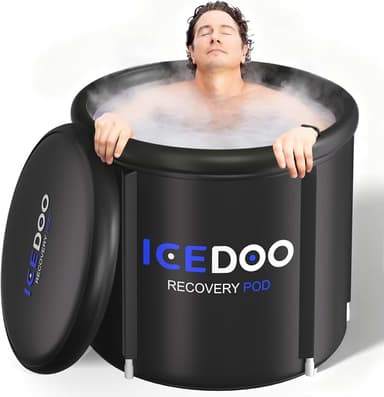
Generic
Upgrade XL 119 Gallon Hot and Cold Plunge Tub with Cover
The most affordable cold plunge tub on our list at under $30. With 697 Amazon reviews and 119-gallon capacity, it is the most popular entry-level option. Works for both hot and cold water therapy.
Product Testing Lead and Wellness Writer
Products Mentioned in This Article
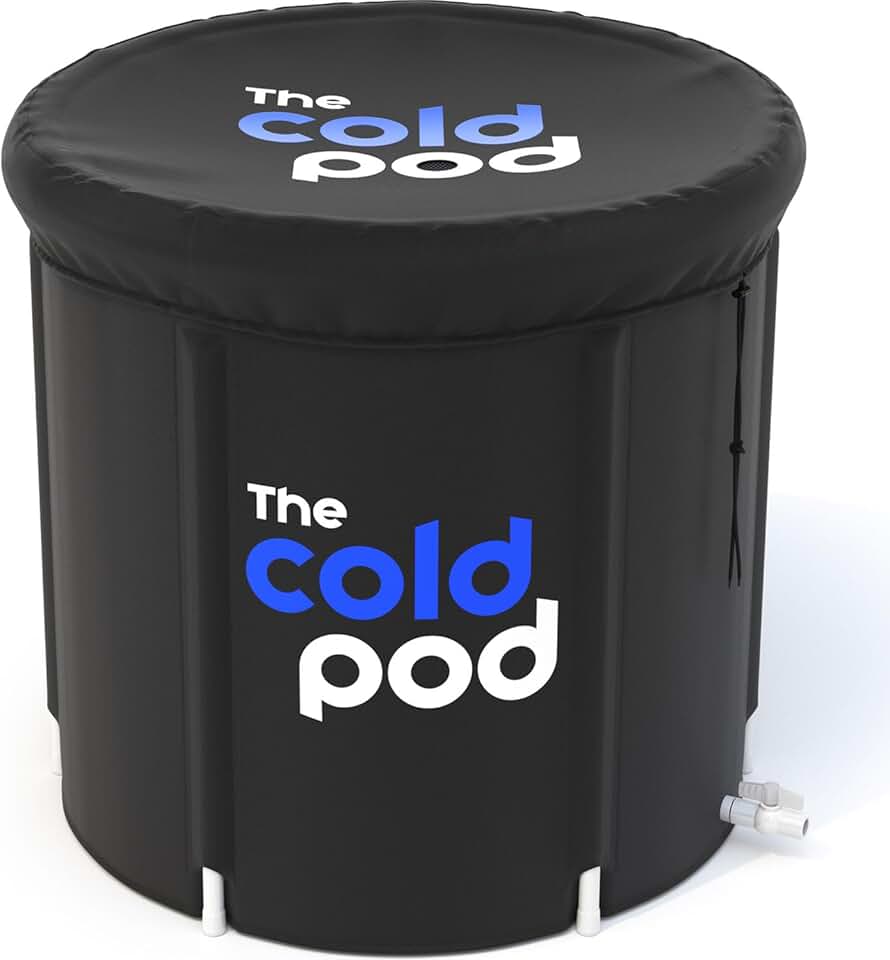
The Cold Pod Ice Bath Tub 88 Gallon with Cover
A popular, budget-friendly 88-gallon cold plunge tub with over 500 Amazon reviews. Multiple layered construction and included cover make it a solid starter option for cold therapy newcomers.
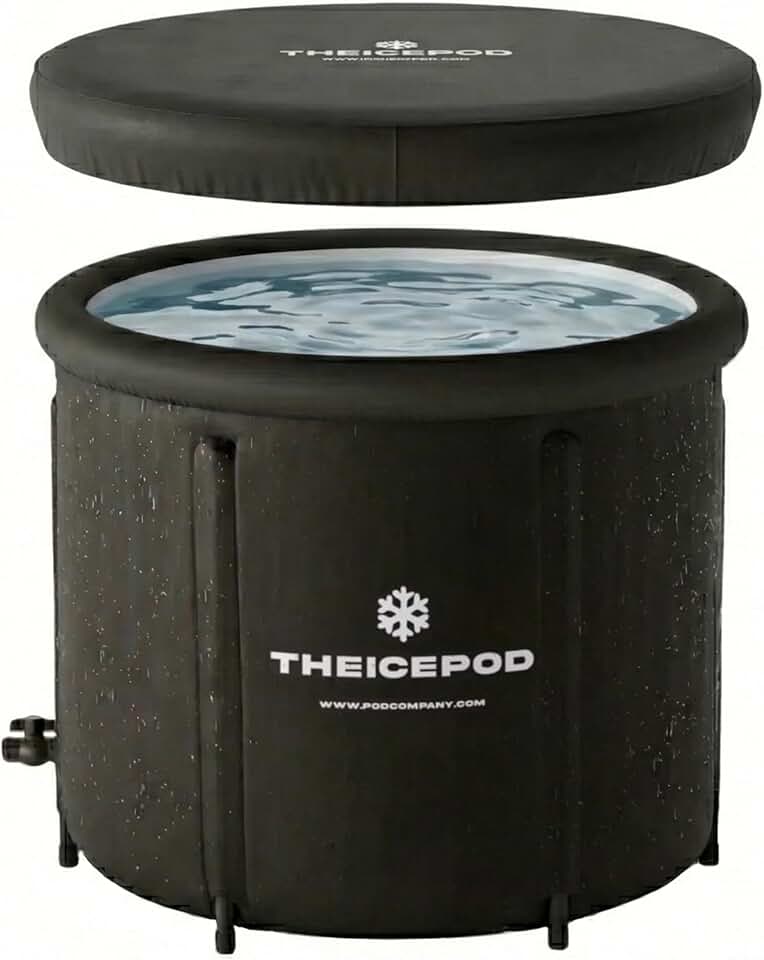
The Pod Company Standard Ice Bath Tub 84 Gallon
The more compact sibling of the Ice Pod Pro. This 84-gallon model features side drain design, inflatable construction, and optional chiller compatibility through a conversion kit.
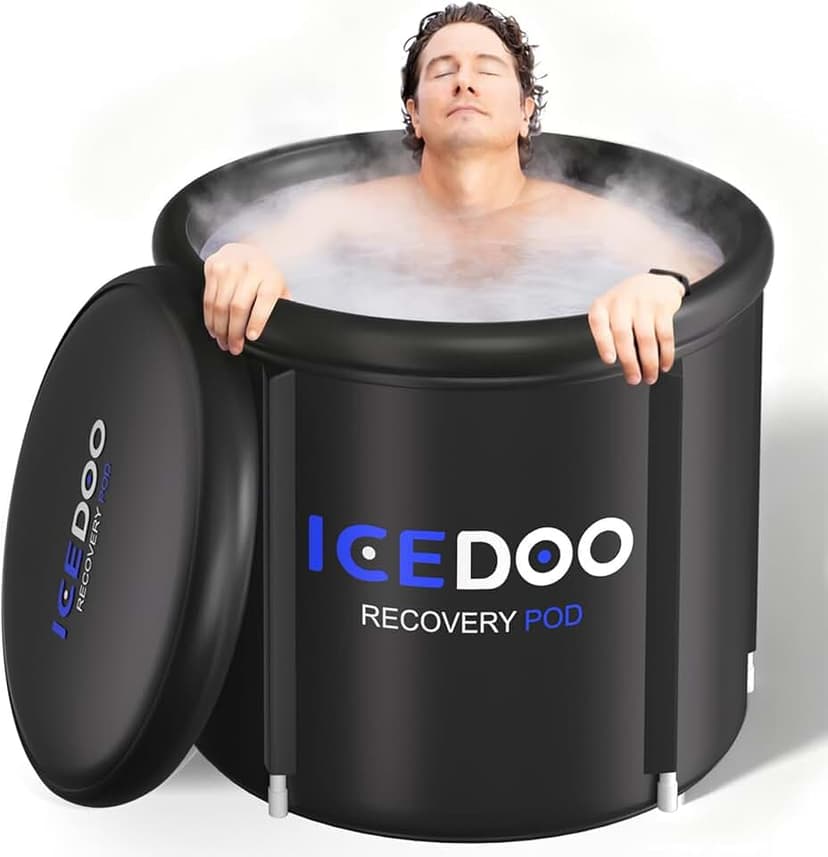
Upgrade XL 119 Gallon Hot and Cold Plunge Tub with Cover
The most affordable cold plunge tub on our list at under $30. With 697 Amazon reviews and 119-gallon capacity, it is the most popular entry-level option. Works for both hot and cold water therapy.