How Cold Plunging Supports Mental Health and Reduces Anxiety
Beyond physical recovery, cold water immersion shows real promise for mental health. Here is what the research reveals about cold plunging and your brain.
Lead Researcher and Cold Therapy Specialist
Table of Contents
The Neurochemistry of Cold Exposure
Cold water immersion activates several neurochemical pathways simultaneously. Understanding these pathways explains why cold plunging produces such reliable and noticeable mood effects. Norepinephrine is the headline neurotransmitter. As discussed in cold water immersion research, cold exposure produces a 200-530% increase in plasma norepinephrine depending on water temperature and duration (Srámek et al., 2000). Norepinephrine plays crucial roles in attention, focus, vigilance, and mood regulation. Low norepinephrine levels are associated with depression, inattention, and fatigue. The magnitude of norepinephrine release from cold water immersion rivals or exceeds many pharmaceutical interventions. Drugs like atomoxetine (used for ADHD) and reboxetine (used for depression) work by increasing norepinephrine availability in the brain. Cold water immersion achieves a similar neurochemical shift through a natural physiological stimulus. Beta-endorphins are also released during cold exposure. These endogenous opioids produce feelings of euphoria and pain relief. The "cold plunge high" that many practitioners describe is partially attributable to beta-endorphin activity, which peaks in the minutes following cold water exit and can persist for 1-2 hours. Dopamine, the neurotransmitter associated with motivation, reward, and pleasure, shows sustained elevation following cold water exposure. A study by Srámek et al. (2000) measured a 250% increase in dopamine levels following cold water immersion. Unlike the spike-and-crash pattern of many dopamine-triggering stimuli (social media, sugar, caffeine), cold exposure produces a gradual rise that sustains for several hours. This sustained dopamine elevation is particularly relevant for people dealing with motivation issues, mild depression, or the flat affect that accompanies burnout. A morning cold plunge can set a dopamine baseline that persists through hours of productive work.Cold Water and Depression Research
A landmark case study by van Tulleken et al. (2018) in the British Medical Journal Case Reports documented a 24-year-old woman with treatment-resistant major depressive disorder who experienced significant symptom reduction after adopting weekly cold water swimming. She was eventually able to discontinue her antidepressant medication under medical supervision. While a single case study does not establish a treatment protocol, it opened the door to further investigation. The authors proposed that the dense network of cold receptors in human skin provides an overwhelming sensory input to the brain when stimulated by cold water, acting as a form of natural electroconvulsive therapy that resets mood-regulating circuits. Shevchuk (2008) published a hypothesis paper in Medical Hypotheses proposing cold showers as an adjunctive treatment for depression. The proposed mechanisms included activation of the sympathetic nervous system, increased blood levels of beta-endorphin and norepinephrine, and the anti-inflammatory effects of cold exposure (inflammation being increasingly linked to depression). A 2023 systematic review by Esperland et al. in the International Journal of Circumpolar Health examined evidence across 13 studies and found consistent self-reported improvements in mood and mental wellbeing associated with cold water exposure. The authors noted that while the evidence was promising, large randomized controlled trials specifically targeting clinical depression outcomes are still needed. The relationship between inflammation and depression provides an additional theoretical pathway for cold water immersion's antidepressant effects. The "inflammatory hypothesis of depression" suggests that chronic low-grade inflammation contributes to depressive symptoms in a subset of patients. Cold water immersion's documented anti-inflammatory effects (reduced CRP, IL-6, and TNF-alpha) could theoretically address this inflammatory component.Anxiety Reduction Mechanisms
Anxiety involves chronic activation of the sympathetic "fight or flight" nervous system. Cold water immersion produces an acute sympathetic activation (the cold shock response) followed by a pronounced parasympathetic rebound. This parasympathetic rebound is the calming, centered feeling that follows the initial shock of cold water. With repeated cold exposure, the nervous system adapts. The sympathetic spike becomes less intense and the parasympathetic recovery becomes faster and deeper. This adaptive process, called vagal tone improvement, translates to better stress regulation in daily life. People with high vagal tone recover from stressful events more quickly and experience less persistent anxiety. A study by Mäkinen et al. (2008) found that repeated cold water exposure improved heart rate variability (HRV), a direct measure of vagal tone. Higher HRV is consistently associated with better emotional regulation, lower anxiety, and improved stress resilience. The deliberate nature of cold plunging also provides a form of exposure therapy. By voluntarily choosing to experience an acutely stressful stimulus and then managing your response through breathing and mindfulness, you strengthen the neural pathways responsible for emotional regulation. This learned composure under physical stress transfers to psychological stress situations.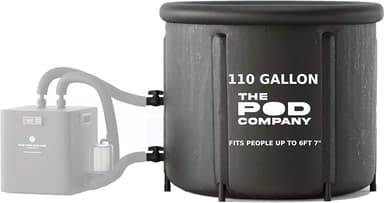
The Pod Company
The Pod Company Ice Pod Pro Cold Plunge Tub
A 110-gallon inflatable cold plunge tub that fits adults up to 6'7". Insulated walls, UV-resistant nylon, and chiller compatibility make this an excellent mid-range option for serious cold therapy practitioners.
Building Stress Resilience
Hormesis, the biological principle that moderate stress produces adaptive strengthening, is central to understanding cold plunging's effect on stress resilience. Each cold plunge is a controlled stressor that challenges your body and mind. Over time, your capacity to handle stress expands. The concept of "cross-adaptation" suggests that building tolerance in one stress domain can improve resilience in others. Research in this area, while still developing, indicates that people who regularly practice deliberate cold exposure report better coping during unrelated stressful situations, including work pressure, social conflicts, and unexpected life challenges. The psychological act of choosing discomfort is itself therapeutic. In a culture that prioritizes comfort and convenience, voluntarily stepping into cold water represents a counter-cultural practice that builds self-efficacy. The narrative shift from "I avoid discomfort" to "I choose difficult things and handle them well" has cascading effects on confidence and self-perception.Dopamine, Motivation, and Focus
The sustained dopamine elevation from cold water immersion has practical implications for daily productivity and motivation. Unlike caffeine, which raises dopamine quickly but leads to a compensatory drop, cold water immersion produces a more gradual and sustained elevation that avoids the crash. Andrew Huberman of Stanford has discussed cold exposure as one of the most reliable non-pharmacological methods for increasing baseline dopamine levels. The 250% increase measured in research (Srámek et al., 2000) persists for several hours, providing a window of enhanced motivation, focus, and drive. Many cold plunge practitioners schedule their sessions in the morning specifically to capitalize on this dopamine window. A 5-10 minute cold plunge at 50-55 degrees at 6 AM sets a neurochemical foundation that supports focused, productive work through the morning hours. The interaction between cold-induced norepinephrine and dopamine creates what feels like a natural "flow state" for many users. Attention becomes easier to direct, tasks feel more engaging, and the mental fog that often accompanies mornings dissipates rapidly.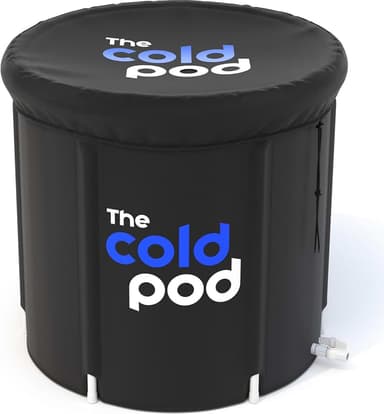
The Cold Pod
The Cold Pod Ice Bath Tub 88 Gallon with Cover
A popular, budget-friendly 88-gallon cold plunge tub with over 500 Amazon reviews. Multiple layered construction and included cover make it a solid starter option for cold therapy newcomers.
Effects on Sleep Quality
The relationship between cold plunging and sleep is timing-dependent. Cold exposure activates the sympathetic nervous system, which promotes alertness. This makes evening cold plunges problematic for some people if done too close to bedtime. However, the parasympathetic rebound that follows cold exposure can support deeper sleep when the timing is right. A cold plunge 2-3 hours before bed allows the initial sympathetic activation to subside while the parasympathetic dominance takes hold during the sleep period. Research on core body temperature and sleep architecture supports this approach. Sleep onset is associated with a natural drop in core temperature. Cold water immersion accelerates this temperature drop, potentially making it easier to fall asleep and achieve deeper slow-wave sleep stages. Morning cold plunging can also improve sleep quality indirectly by regulating cortisol rhythms. A strong morning cortisol peak (enhanced by cold exposure) followed by a natural decline through the day supports the circadian rhythm that governs sleep quality.Building a Mental Health Protocol
For mental health benefits specifically, consistency matters more than intensity. A daily 3-5 minute cold plunge at moderate temperatures (50-60 degrees Fahrenheit) produces reliable neurochemical effects that compound over weeks and months. Morning sessions tend to produce the most beneficial effects on mood and motivation throughout the day. The norepinephrine and dopamine elevation that follows a morning cold plunge aligns well with the demands of a productive day. Combine cold plunging with brief mindfulness after exiting the water. Spend 5 minutes sitting quietly, noticing the sensations of rewarming, the elevated alertness, and the calm that follows the cold shock. This integration period enhances the psychological benefits and reinforces the positive associations that build habit strength. Track your mood alongside your cold plunge sessions. Simple 1-10 ratings before and after plunging, recorded over weeks, provide personal data on how cold exposure affects your specific mental health patterns. Many practitioners find that this data becomes their strongest motivator for maintaining the practice. If you are currently managing a mental health condition with medication or therapy, cold plunging should complement rather than replace professional treatment. Discuss your interest in cold water immersion with your healthcare provider, particularly if you take medications that affect cardiovascular function or thermoregulation.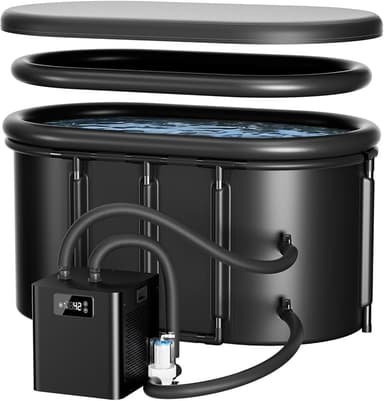
Cold Plunge Systems
Ice Bath Chiller and Cold Plunge Tub Kit 1/3HP
A complete cold plunge system with 1/3HP chiller, external pump, filter, and a 148-gallon XXL tub. Eliminates the need for ice entirely and maintains your target temperature automatically.
Lead Researcher and Cold Therapy Specialist
Products Mentioned in This Article
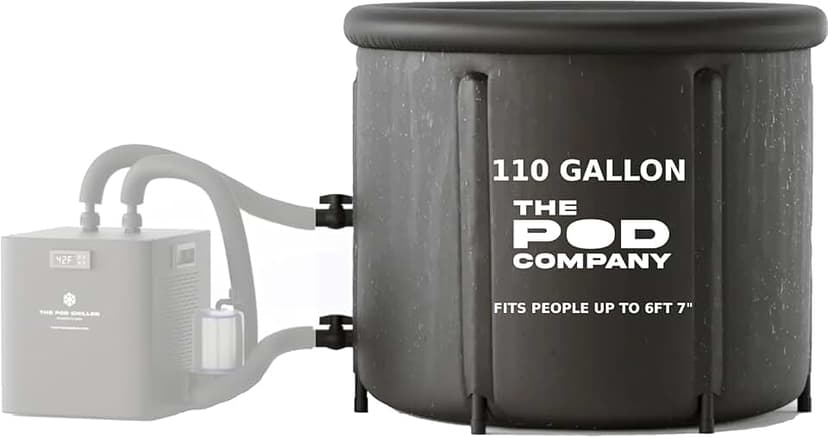
The Pod Company Ice Pod Pro Cold Plunge Tub
A 110-gallon inflatable cold plunge tub that fits adults up to 6'7". Insulated walls, UV-resistant nylon, and chiller compatibility make this an excellent mid-range option for serious cold therapy practitioners.
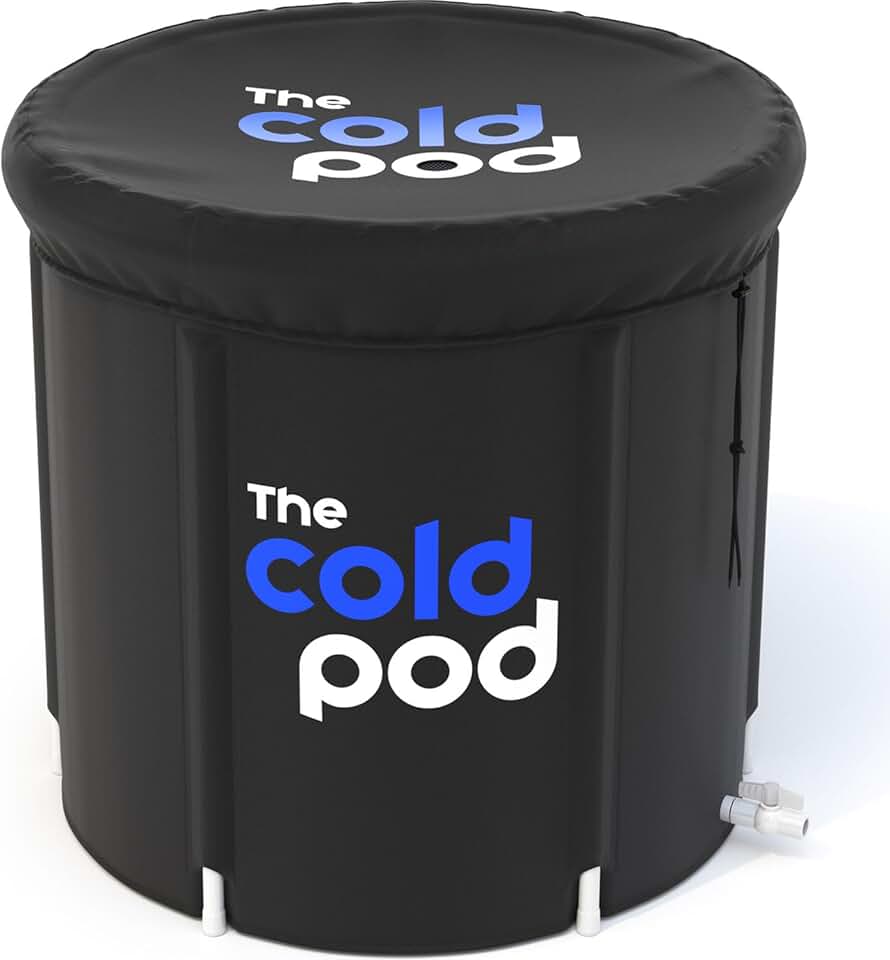
The Cold Pod Ice Bath Tub 88 Gallon with Cover
A popular, budget-friendly 88-gallon cold plunge tub with over 500 Amazon reviews. Multiple layered construction and included cover make it a solid starter option for cold therapy newcomers.
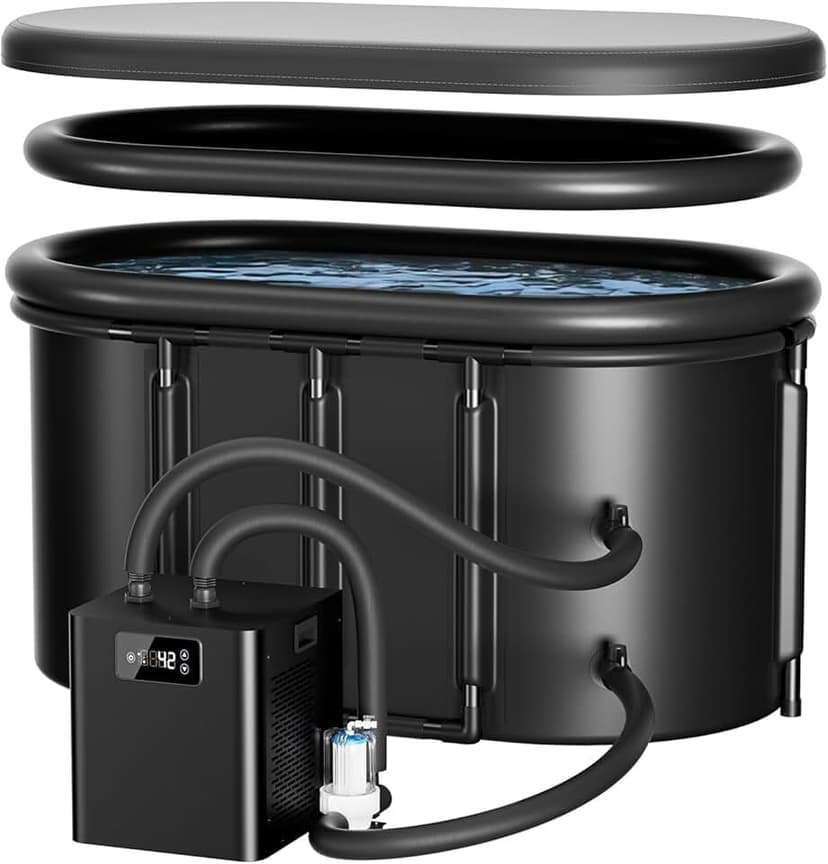
Ice Bath Chiller and Cold Plunge Tub Kit 1/3HP
A complete cold plunge system with 1/3HP chiller, external pump, filter, and a 148-gallon XXL tub. Eliminates the need for ice entirely and maintains your target temperature automatically.