The Complete Cold Plunge Safety Guide
Cold plunging is safe for most healthy adults, but understanding the risks and how to manage them is essential for every practitioner.
Lead Researcher and Cold Therapy Specialist
Table of Contents
Understanding the Cold Shock Response
The cold shock response is the body's immediate reaction to sudden cold water exposure. It occurs within the first 30-60 seconds of immersion and includes several distinct physiological events. The gasp reflex is an involuntary deep inhalation triggered by cold receptors in the skin. If your head is underwater during this gasp, aspiration of water can occur. This is the primary drowning risk associated with cold water and the reason you should always enter cold water gradually with your head above the surface. Hyperventilation follows the initial gasp. Rapid, uncontrolled breathing reduces carbon dioxide levels in the blood, which can cause dizziness, tingling in the extremities, and in severe cases, loss of consciousness. Controlled breathing techniques (specifically extending the exhale) counteract hyperventilation and are the most important safety skill for cold plungers. Heart rate and blood pressure spike simultaneously. Tipton (2003) documented heart rate increases of 15-30 beats per minute and systolic blood pressure increases of 15-30 mmHg within the first 30 seconds of cold water immersion. For healthy individuals, this spike is manageable. For people with underlying cardiovascular conditions, it can trigger arrhythmias, cardiac events, or stroke. The cold shock response diminishes with repeated exposure through a process called habituation. After 5-6 cold water immersions, the gasp reflex, hyperventilation, and cardiovascular spikes become significantly reduced. This adaptation is why gradual progression from warmer to colder temperatures is critical for safety.Medical Contraindications
The following conditions are contraindications for cold water immersion. If any apply to you, consult your physician before attempting cold plunging. Cardiovascular disease, including coronary artery disease, heart failure, and history of heart attack. The acute cardiovascular stress of cold immersion can precipitate cardiac events in people with compromised heart function. Arrhythmias are a particular concern since cold water can trigger irregular heart rhythms in susceptible individuals. Uncontrolled hypertension. Blood pressure spikes during cold immersion can reach dangerous levels in people whose baseline blood pressure is already elevated. If your blood pressure is controlled with medication, discuss cold plunging with your prescribing physician before starting. Raynaud's disease. Cold exposure triggers severe vasoconstriction in the extremities that can cause tissue damage in people with Raynaud's. The cold water temperatures used in cold plunging can provoke painful episodes and potential cold injury to fingers and toes. Cold urticaria. This condition causes hives, swelling, and in severe cases, anaphylaxis in response to cold exposure. People with cold urticaria should avoid cold water immersion entirely. Pregnancy. The effects of cold water immersion on fetal development have not been adequately studied. The cardiovascular stress and potential for core temperature disruption make cold plunging inadvisable during pregnancy without specific medical clearance. Open wounds or active skin infections. Cold water immersion can introduce bacteria to wounds and compromise healing. Wait until wounds are fully closed and infections resolved before resuming cold plunging. Epilepsy. The risk of seizure in cold water, combined with the drowning risk if a seizure occurs during immersion, makes cold plunging dangerous for people with epilepsy unless under direct medical supervision.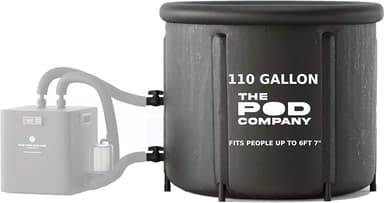
The Pod Company
The Pod Company Ice Pod Pro Cold Plunge Tub
A 110-gallon inflatable cold plunge tub that fits adults up to 6'7". Insulated walls, UV-resistant nylon, and chiller compatibility make this an excellent mid-range option for serious cold therapy practitioners.
Recognizing Hypothermia Signs
Hypothermia occurs when core body temperature drops below 95 degrees Fahrenheit (35 degrees Celsius). In cold plunge scenarios, hypothermia is possible during prolonged immersion at low temperatures or when an individual fails to recognize early warning signs. Mild hypothermia (95-90 degrees F core temperature) presents as intense shivering, difficulty with fine motor tasks, and impaired judgment. The shivering is the body's attempt to generate heat and is a clear signal to exit the water. Do not attempt to "push through" shivering. It is your body telling you that you have reached your limit. Moderate hypothermia (90-82 degrees F) causes shivering to stop (paradoxically), confusion, drowsiness, slurred speech, and loss of coordination. If someone in a cold plunge exhibits these symptoms, they need immediate assistance to exit the water and begin rewarming. Severe hypothermia (below 82 degrees F) is a medical emergency. It causes loss of consciousness, dangerously slow heart rate, and can be fatal without medical intervention. At typical cold plunge temperatures (40-60 degrees F) and durations (5-15 minutes), hypothermia is unlikely in healthy adults. Risk increases with longer durations, colder temperatures, low body fat, small body mass, and dehydration. The risk profile changes in cold water swimming or accidental cold water immersion where durations may be much longer.Safe Cold Plunging Practices
Never plunge alone at temperatures below 50 degrees Fahrenheit. Having someone present who can recognize distress and assist you out of the water is a basic safety measure that costs nothing but provides critical insurance. Enter the water gradually. Step in, pause, breathe, continue. Do not jump or dive into cold water, as this maximizes the cold shock response and the associated risks. Gradual entry gives your body time to begin adapting and gives you the opportunity to exit if the cold feels unmanageable. Keep your head above water at all times during cold plunging. The gasp reflex can cause aspiration if your face is submerged, and head immersion dramatically increases the cardiovascular stress of cold exposure. Set a timer. Without a timer, it is easy to lose track of time as your perception shifts during cold exposure. Set an alarm for your target duration and exit when it sounds, even if you feel comfortable continuing. You can always extend your duration in future sessions. Do not use alcohol or recreational drugs before cold plunging. These substances impair thermoregulation, cardiovascular stability, and your ability to recognize danger signals. The combination of alcohol and cold water immersion is responsible for a disproportionate number of cold water emergencies. Stay hydrated. Cold water immersion triggers cold-induced diuresis (increased urination), which can lead to dehydration. Drink water before and after your sessions.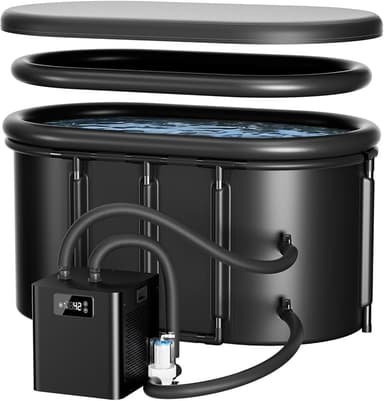
Cold Plunge Systems
Ice Bath Chiller and Cold Plunge Tub Kit 1/3HP
A complete cold plunge system with 1/3HP chiller, external pump, filter, and a 148-gallon XXL tub. Eliminates the need for ice entirely and maintains your target temperature automatically.
Emergency Protocols
If someone experiences difficulty during cold plunging, the priority sequence is remove, rewarm, and seek medical attention if needed. Remove the person from the water immediately. If they cannot exit on their own, assist them. Do not attempt to rewarm them in the water. Rewarm gradually. Remove wet clothing, wrap in blankets or towels, and move to a warm environment. Do not use hot water, heating pads, or hot baths for rapid rewarming, as these can cause dangerous cardiovascular changes including cardiac arrest (a phenomenon called "afterdrop" and "rewarming shock"). If the person is confused, has stopped shivering, shows signs of impaired consciousness, or complains of chest pain, call emergency services immediately. These are signs of moderate-to-severe hypothermia or potential cardiac events that require medical intervention. For mild hypothermia (shivering, cold hands and feet, but alert and oriented), gradual rewarming with blankets, warm drinks (non-alcoholic), and warm shelter is usually sufficient. Monitor for worsening symptoms for at least 30 minutes after rewarming begins.Guidance for Special Populations
Older adults (65+) can cold plunge safely but should start with warmer temperatures (58-62 degrees F) and shorter durations (2-3 minutes). Cardiovascular screening by a physician before starting is recommended due to the higher prevalence of cardiac conditions in this age group. People on blood pressure medications should consult their doctor and start conservatively. Some blood pressure medications impair the body's vasoconstrictor response, which can affect thermoregulation during cold exposure. People with diabetes should monitor blood sugar carefully around cold plunge sessions. Cold exposure can affect glucose metabolism and insulin sensitivity. Hypoglycemia risk may increase if cold plunging is combined with exercise or fasting. Competitive athletes in weight-class sports should avoid cold plunging immediately before weigh-ins, as the diuretic effect can contribute to dehydration. Children and adolescents should only cold plunge under direct adult supervision with warmer water temperatures (55-65 degrees F) and shorter durations (1-3 minutes). Their smaller body mass and higher surface-area-to-volume ratio make them more susceptible to rapid cooling.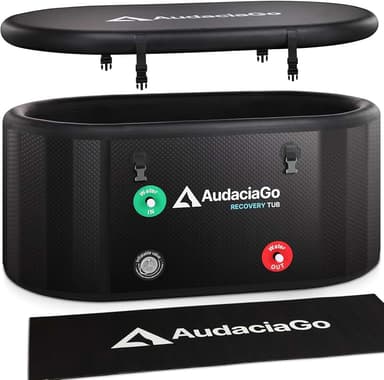
Cold Plunge Pro
XXL 216-Gallon Inflatable Cold Plunge Tub with Insulated Lid
The largest inflatable cold plunge on the market at 216 gallons. Compatible with water chillers, includes an insulated lid and thermometer. Built for athletes who want full-body immersion.
Lead Researcher and Cold Therapy Specialist
Products Mentioned in This Article
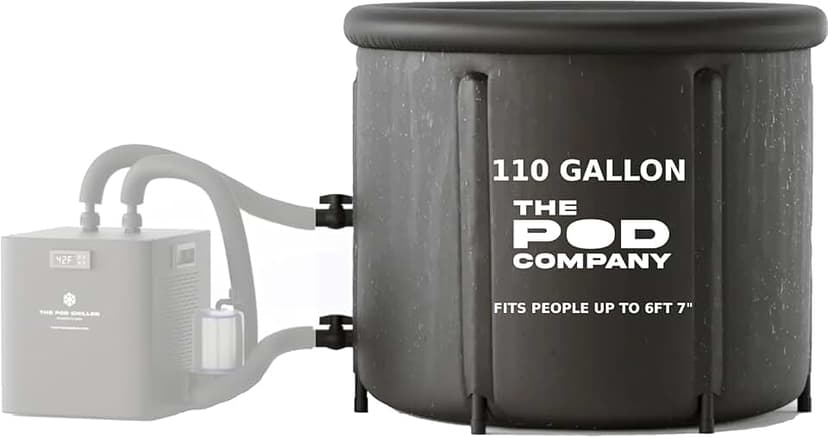
The Pod Company Ice Pod Pro Cold Plunge Tub
A 110-gallon inflatable cold plunge tub that fits adults up to 6'7". Insulated walls, UV-resistant nylon, and chiller compatibility make this an excellent mid-range option for serious cold therapy practitioners.
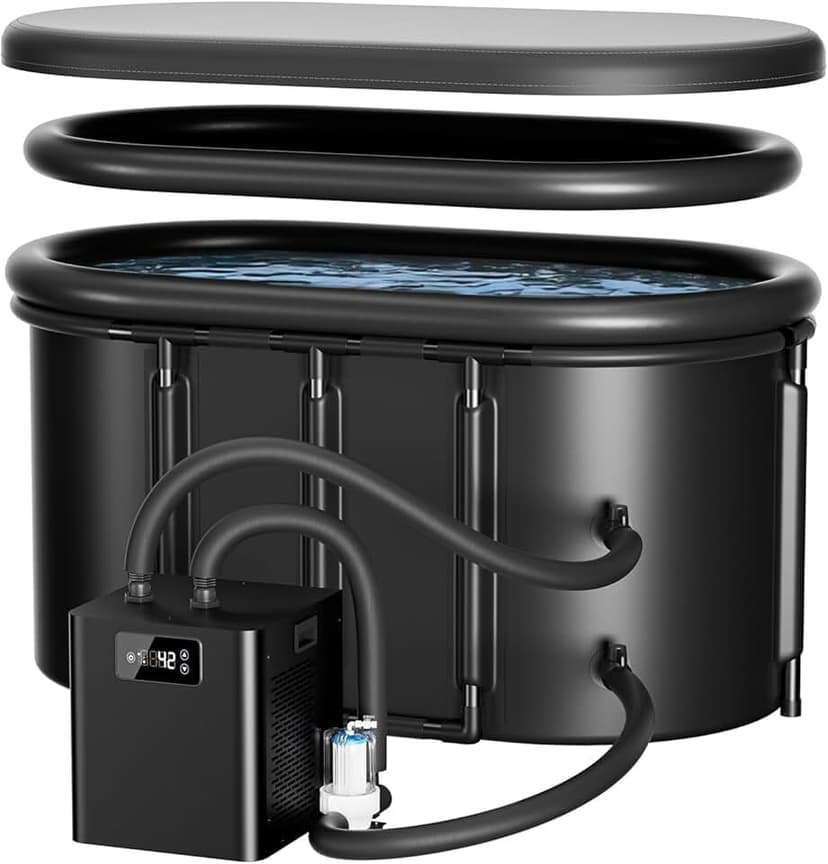
Ice Bath Chiller and Cold Plunge Tub Kit 1/3HP
A complete cold plunge system with 1/3HP chiller, external pump, filter, and a 148-gallon XXL tub. Eliminates the need for ice entirely and maintains your target temperature automatically.
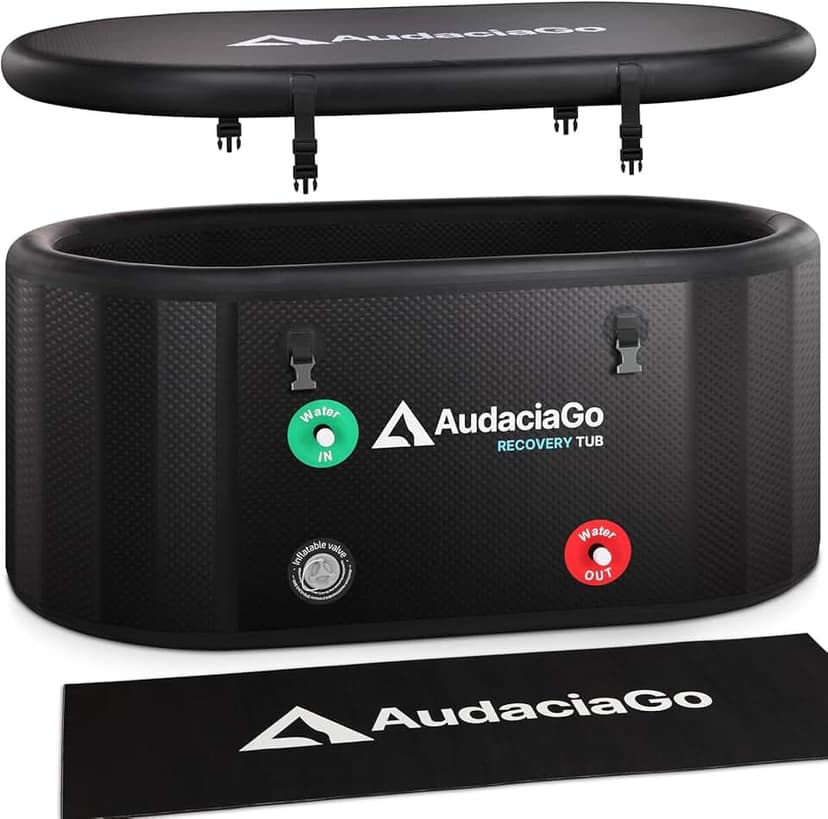
XXL 216-Gallon Inflatable Cold Plunge Tub with Insulated Lid
The largest inflatable cold plunge on the market at 216 gallons. Compatible with water chillers, includes an insulated lid and thermometer. Built for athletes who want full-body immersion.